
If your back is embarrassingly sad, I’m here to help you. But before I give you 6 back training muscle growth tips, I need to walk you through back anatomy which I know is the farthest thing in the world from funny.
But still, it has to be done so that you don’t think I talk pure crap when I say “lats, rear delts, teres major…”
The not-so-funny part of the article (although short)
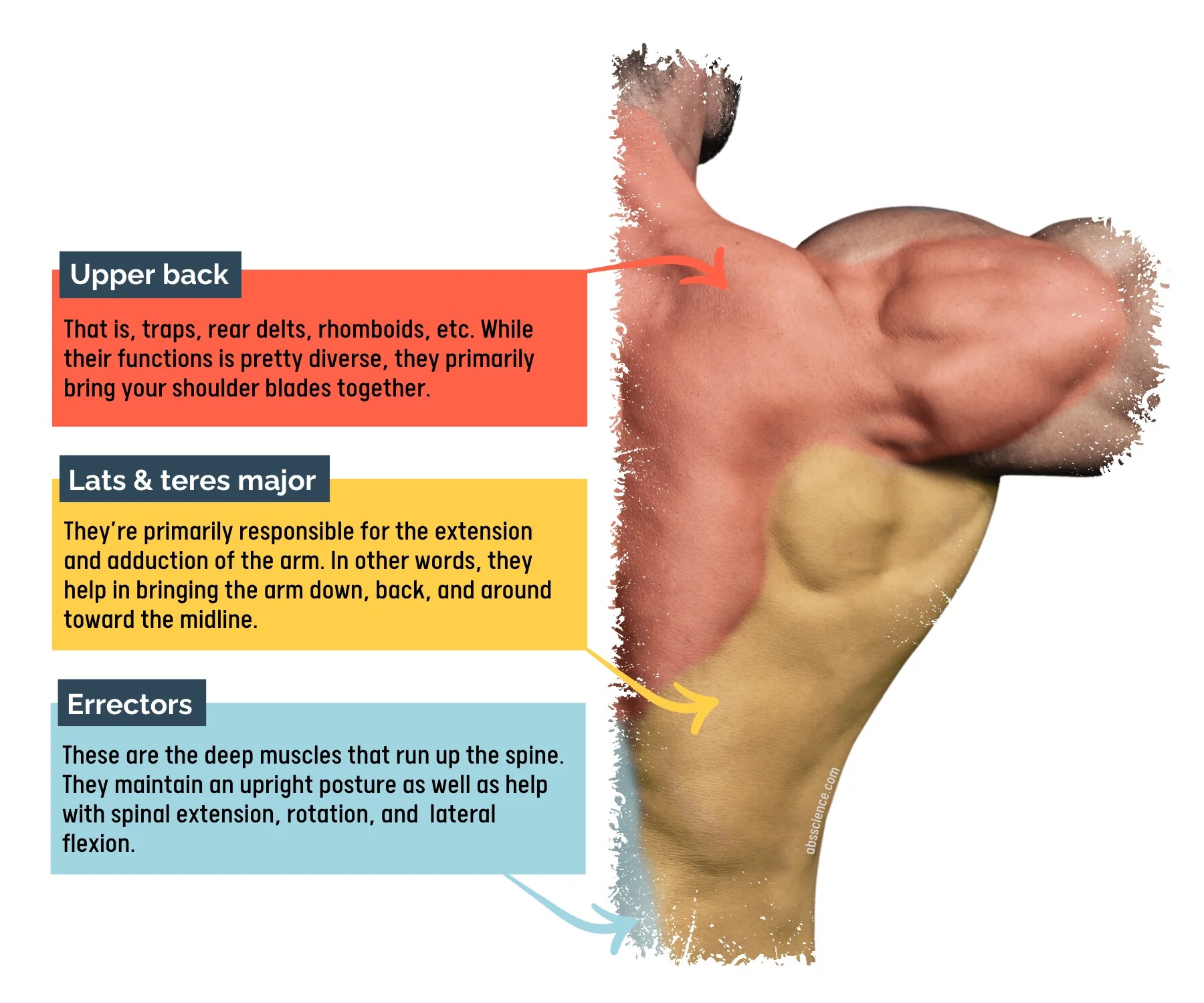
Keep in mind that when doing any back exercise, you’ll be using a combination of lat and upper back muscles simultaneously as well as shoulders and arms. However, different elbow placements which I will talk about in point #2 can shift more tension on one or the other.
Now that you know that your upper back isn’t around your ass region, let’s go to the actual tips that will make your back less sad.
1. Utilize progressive overload
I wrote about progressive overload many times before and I’d rather watch Australian Olympic break dancing on a loop than do it again. So I’ll make it short.
Progressive overload is defined as a conscious addition of stimulus — more reps at a given weight, more weight, better technique, greater range of motion, more volume (sets), etc. — over time.
If you don’t have that in your training, you’re just exercising. Training and exercising are two different things. So you better read my article about the double progression system. It’s an easy way to implement progressive overload into your training.
2. Elbow placement
For the good of your back gains, remember this:
- Elbows tucked in = more lat focus. Any back exercise where the arms are brought closer to your body will shift more focus onto the lats (as long as you stop when your upper arm is at a torso level). This is true for both pulldowns…
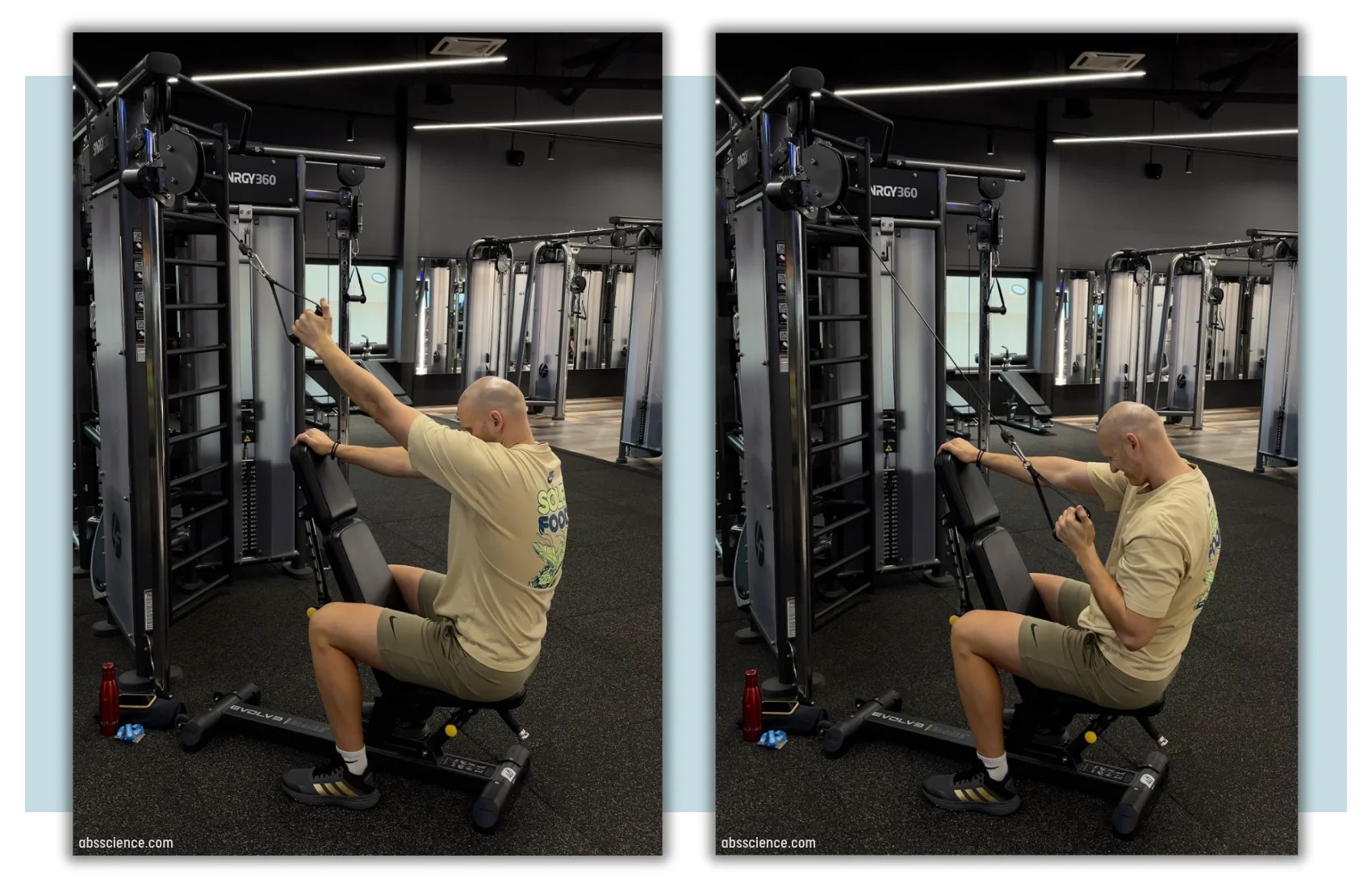
…and rows:

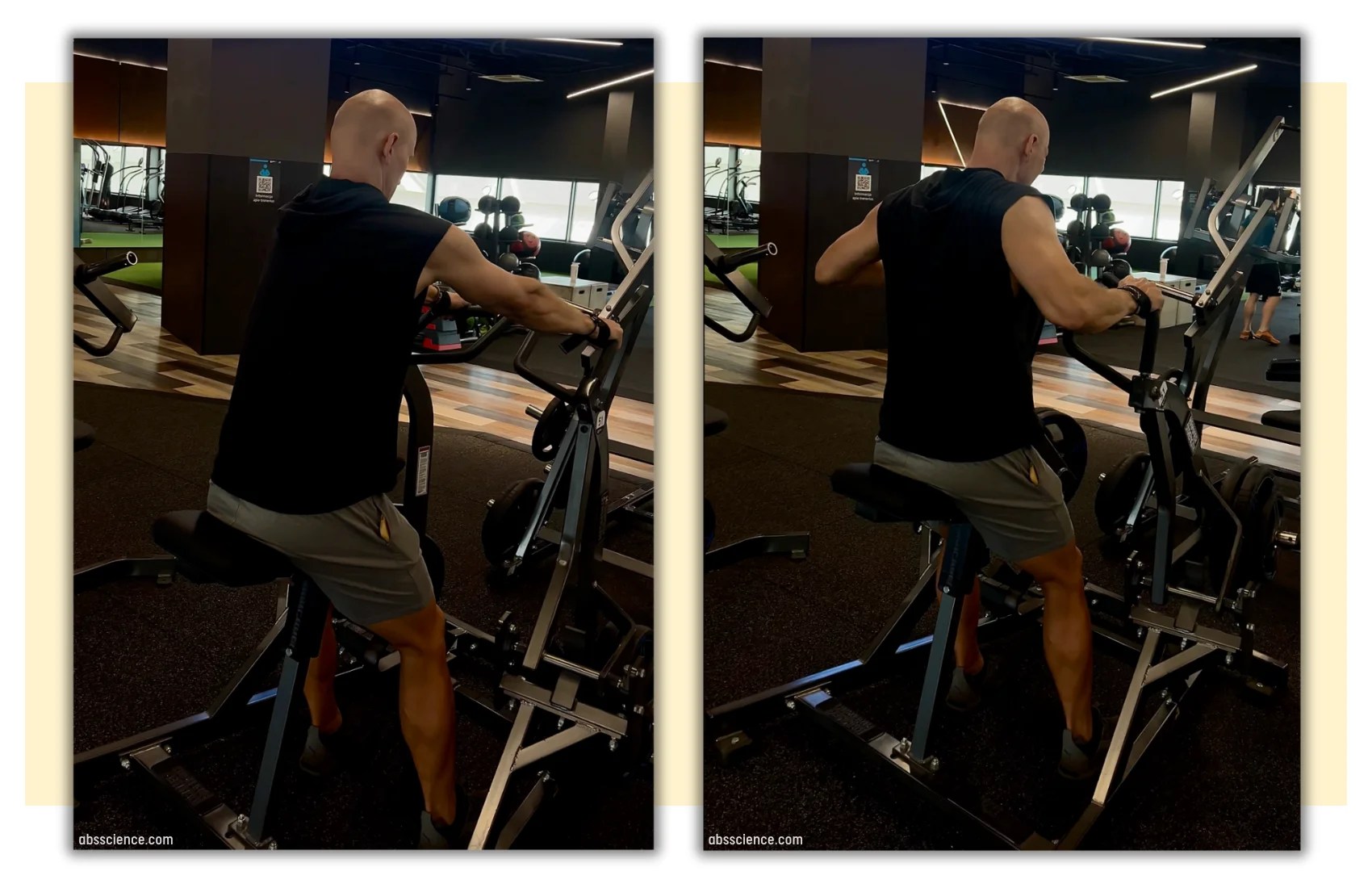
- Elbows flared out = more upper back focus. Any back exercise where you bring the arms back and around toward the midline will shift more focus onto the upper back. Contrary to training lats, you want your elbows to go behind your body this time for a good shoulder retraction:
3. Do a combo of pulldowns and rows
Some of the back muscles have a more horizontal fiber alignment while others have more vertical alignment. This is especially true for lats. Since lats pull in both vertical and horizontal planes we can divide it into three divisions:
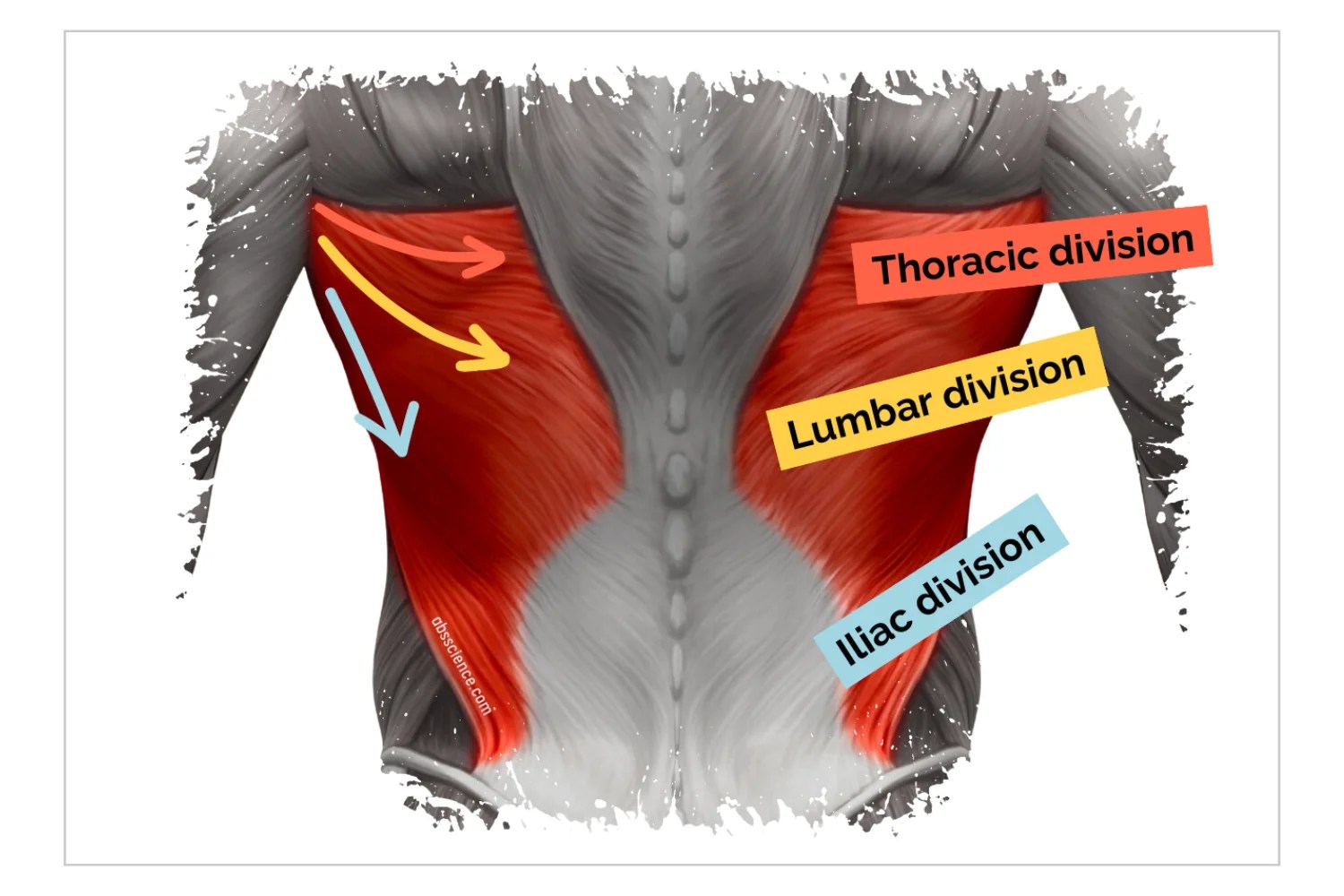
By following the fiber direction, you can adjust your arm path depending on which division of lats you want to emphasize:
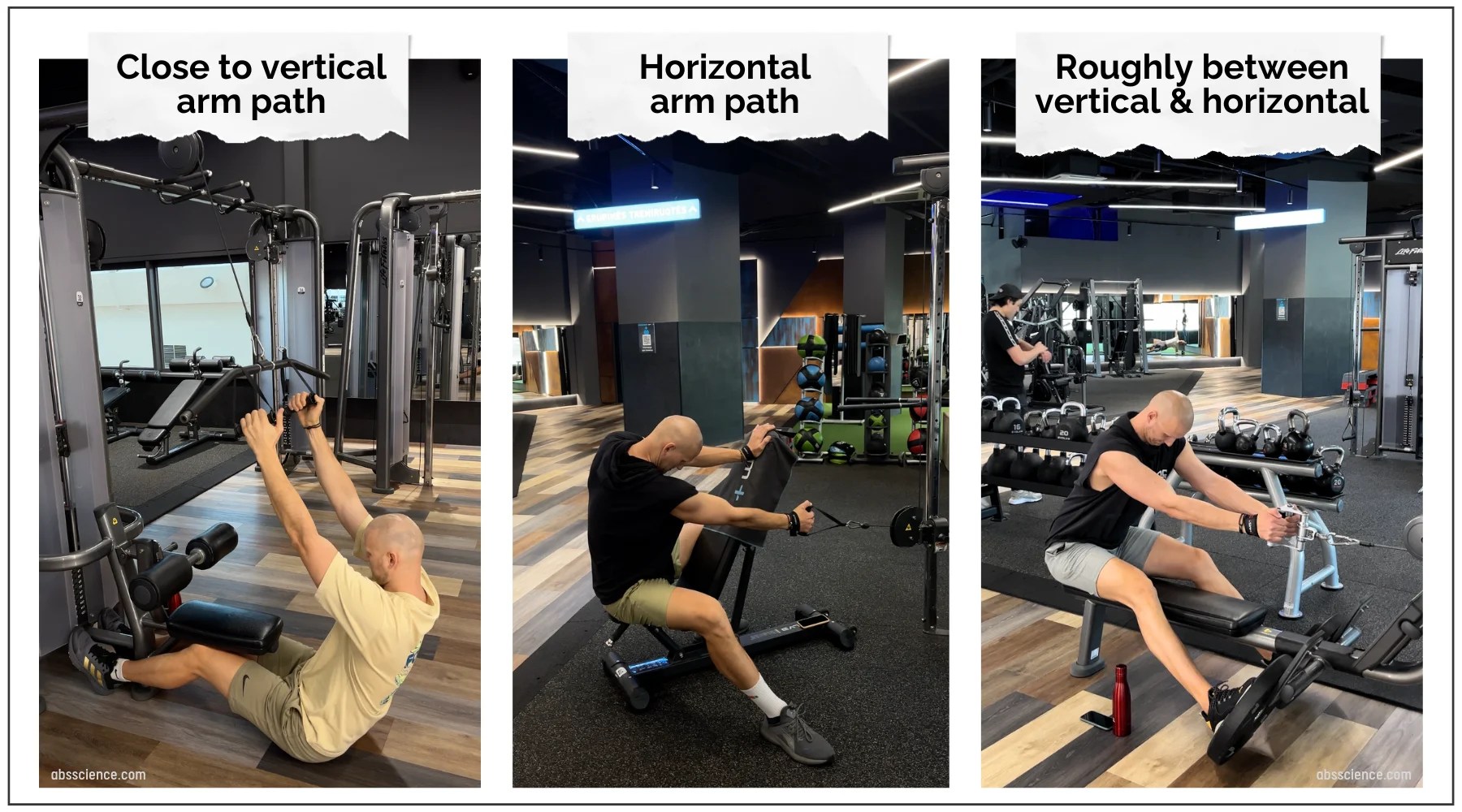
So to cover all the different fiber directions, you want to have a combination of pulldowns and rows in your training program.
From my personal experience working with clients, most people have no issue training the upper back. Lats is a trickier body part. Many people just end up pulling and rowing with other muscles such as rear delts. So really play around with different arm paths as well as the cues.
When targeting lats, think of driving your elbow down and back and stopping when it’s at your side. For the upper back, think of driving elbow out and back and going as far behind your body as possible.
4. More focus on the lengthened position
Training at long muscle lengths such as at the bottom of rows or top of pulldowns is a lot more stimulative than training at short muscle lengths. By now, we have too many studies to act stupid and just ignore the so-called “stretch-focused training.” (source 1, source 2)
Partial range of motion done in a lengthened position — getting a good stretch and then coming back to like 50-60% of a full range motion…
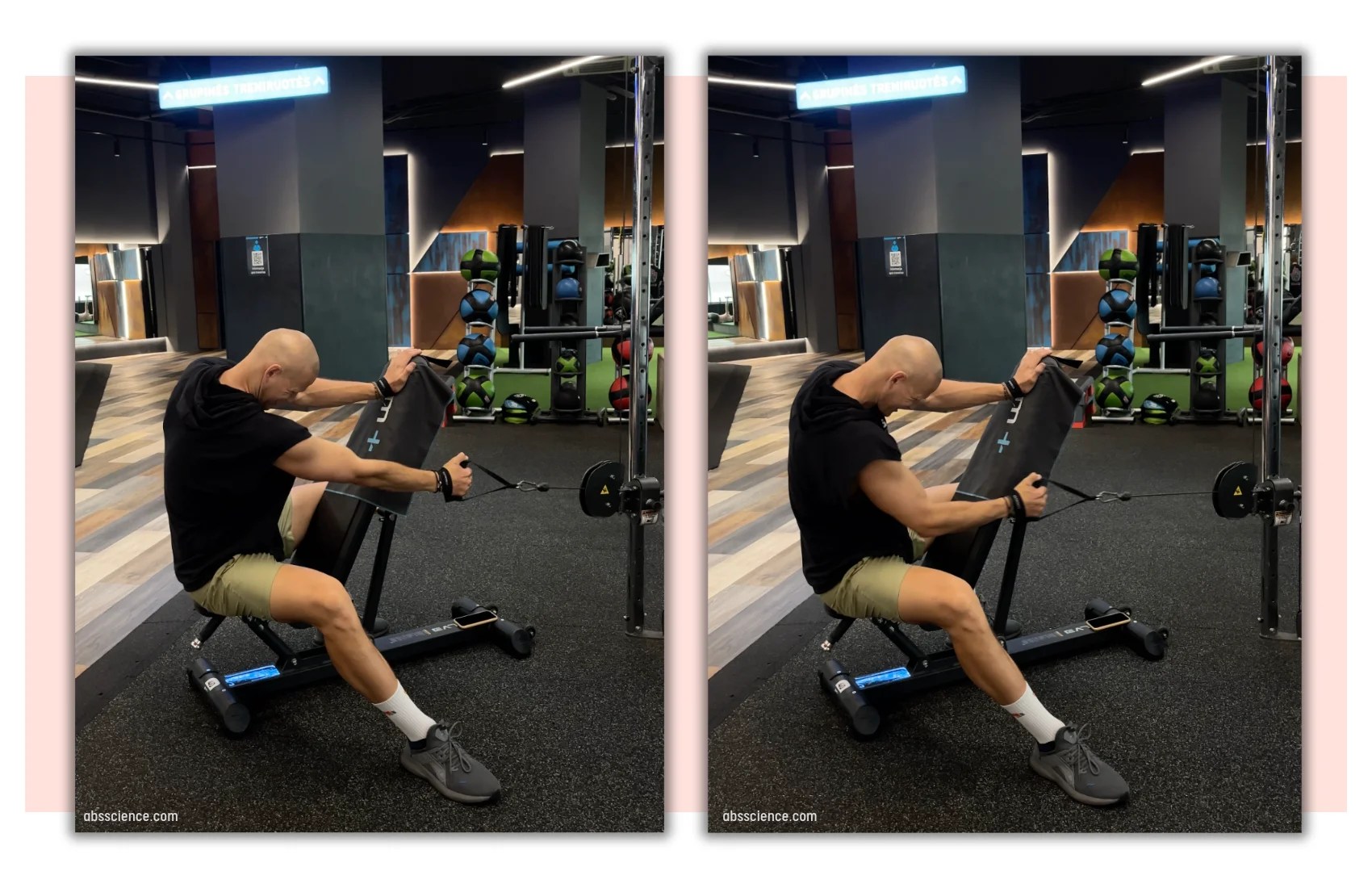
…yields more muscle growth than going all the way back but then skipping the stretch:
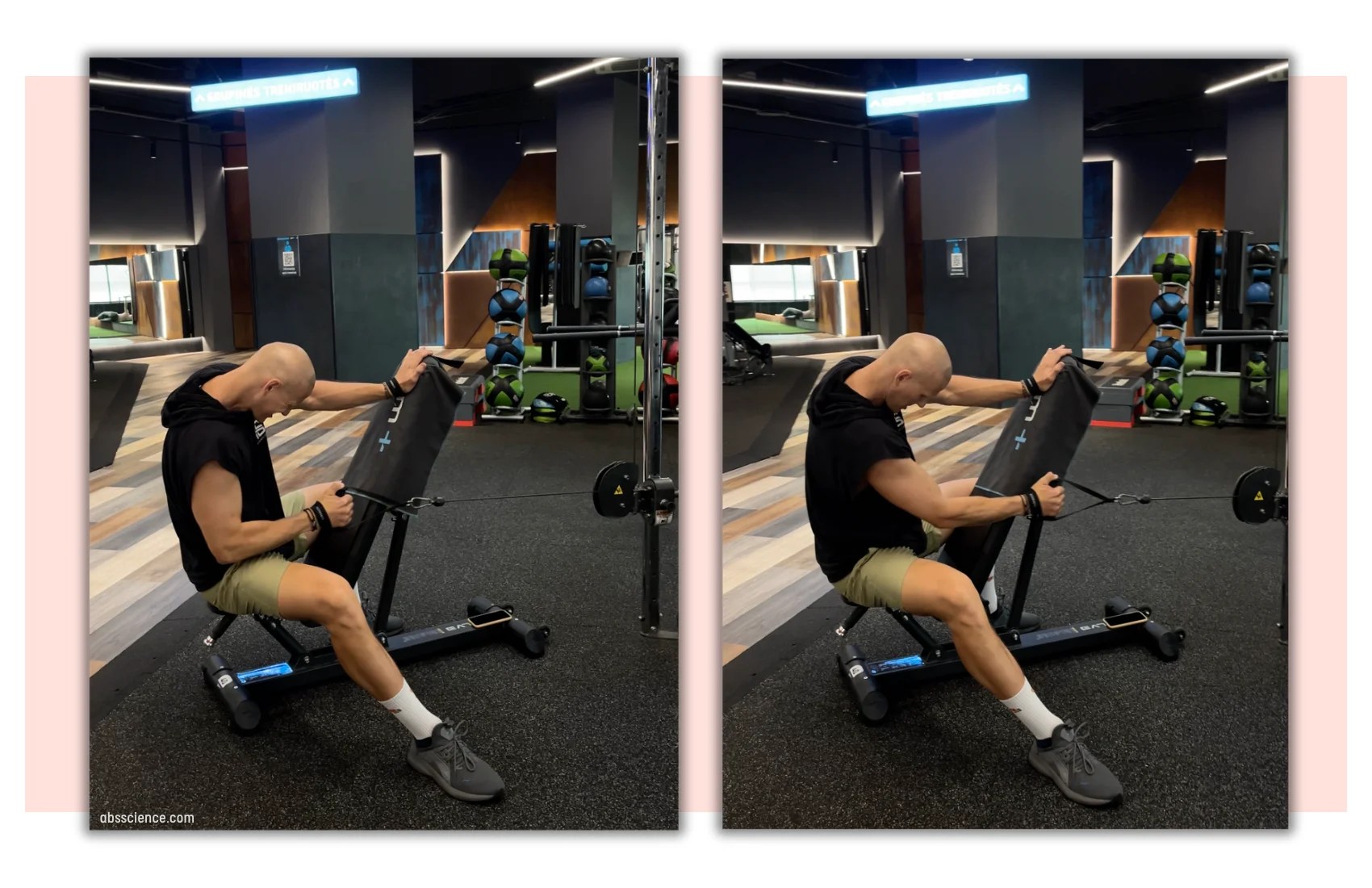
Obviously, I’m not saying to do lengthened partials in your training until you tear your lat right the fugg off. Training through a full range of motion is still a good idea. It involves that lengthened part anyway.
However, once you feel that you cannot do another full ROM rep, don’t wimp out and end your set. You can still crank out at least 4 reps in that lengthened position.
Back is one of those muscle groups that lengthened partials work really well with because you tend to reach failure in a shortened position first but still have quite a bit more left in the tank in the lengthened position.
5. Use chest & arm support more often
When it comes to building muscle you want to pick exercises that are highly stable in order for you to maximize the output from back muscles by having something to drive your torso or arm against. In other words, more stability = more ability to push yourself closer to failure without worrying about technique or balance.
This is why most of my back exercises have some sort of chest or arm support:
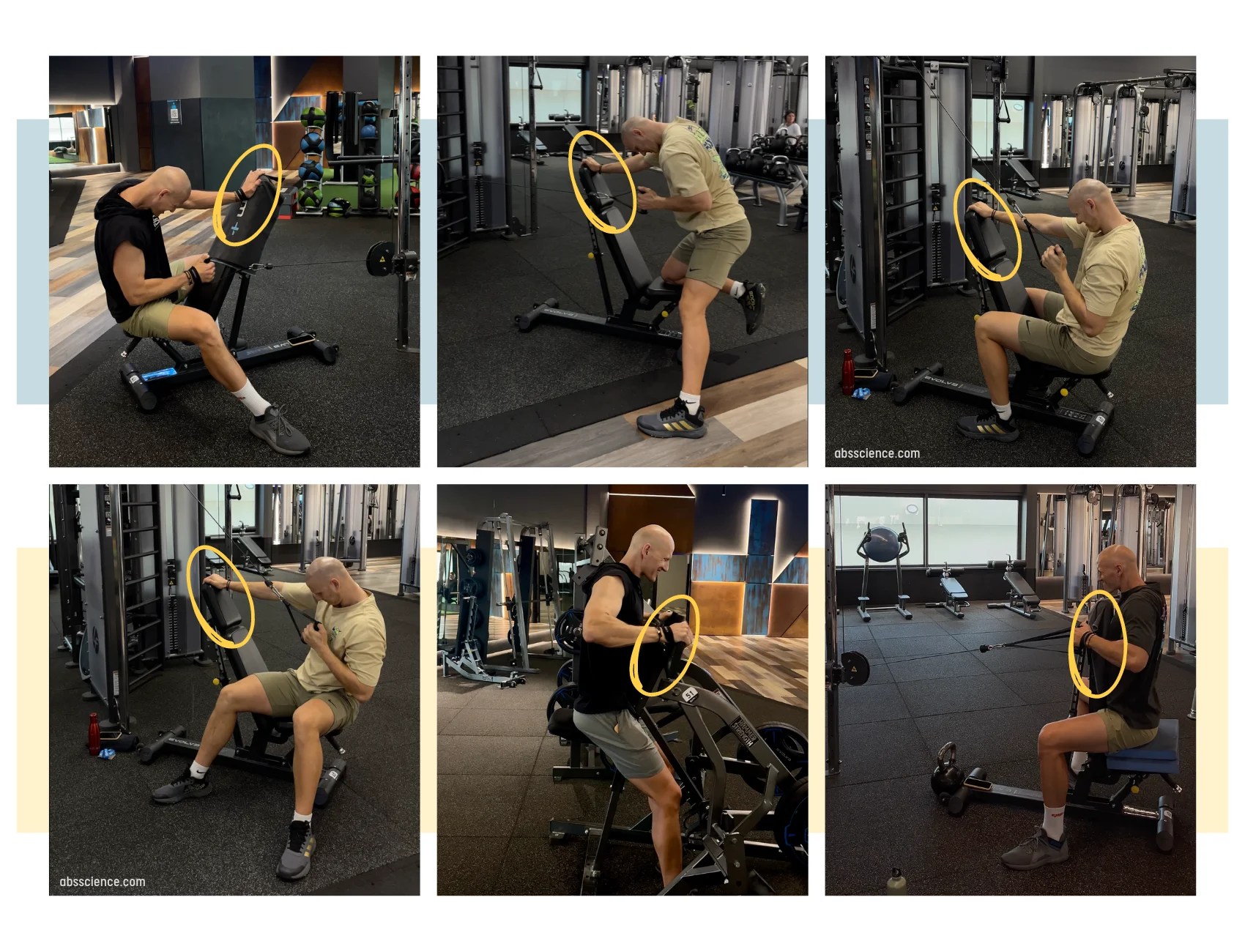
So look at the back exercises in your program and find a way to make them more stable. Don’t let stability become a limiting factor.
6. Use straps
If you have to stop your set because your grip gives out rather than the targeted back muscles, you’re killing your back gains. If that happens, you’re pretty much wasting your time doing a forearm workout. That’s one hell of a hell of a horrible way to train your back.
So get yourself lifting straps or grips. They will allow you to put more tension and stimulus on back muscles rather than forearms without having to worry about the barbell, dumbbell, or cable slipping out of your hands.
So try these tips for yourself and if you don’t get any results out of that, know that it’s 100% your fault and you need to apply for my 1-on-1 Coaching program because I like money & those who do become my clients get great results (check my Instagram page).
Originally published by me on Medium on the 27th of August, 2024


